One of the best-known applications of AI is image generation, which makes it possible to create visual compositions in seconds from text prompts. However, this is just one of the possibilities offered by this technology. Its artistic potential goes far beyond image generation, and its evolution in recent years has been transforming creative processes and opening up new ways to explore the boundaries of art.
From experimenting with algorithms to creating physical and interactive artworks, artists are exploring new ways to incorporate AI into their projects. These approaches expand artistic languages and raise new questions about the role of the artist and the relationship between technology and human creativity.
Artificial Intelligence and Artistic Experimentation at Technarte
At Technarte, we have seen a range of projects exploring how AI can open up new avenues for artistic experimentation. Here, we look at two examples that demonstrate different ways of incorporating this technology into the creative process.
At Technarte 2019, Eyal Gruss presented Neural Psychedelic Aesthetics – Deep Learning for Creative Machines, an artistic research project exploring visual patterns generated by deep neural networks. Using techniques such as Deep Dream and generative adversarial networks (GANs), Gruss investigates how machine learning models generate images that evoke psychedelic phenomena and dreamlike landscapes. His work combines visual experimentation with a reflection on how these systems work and the aesthetic possibilities of their outputs.
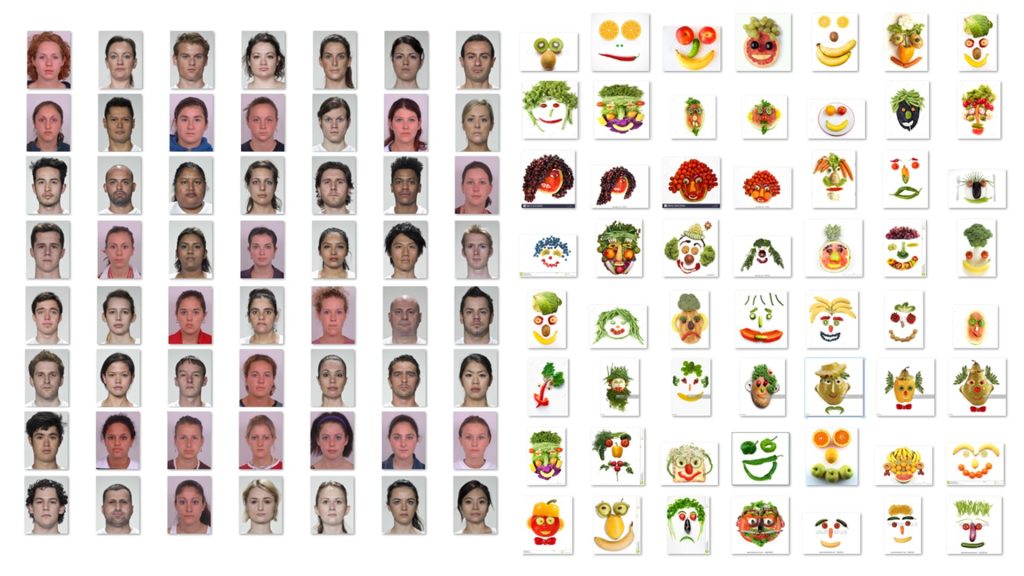
At the most recent edition, held in May 2026, Adam Wadey presented Faces Of…, an installation that combines artificial intelligence and robotics to create portraits of visitors and reproduce them on canvas using a robotic mechanism that applies ink. The portraits become part of a collective composition, making audience participation an integral part of the artwork. The project shows how AI can be integrated into an artistic process that extends beyond the screen, combining image generation, robotic execution and physical creation.
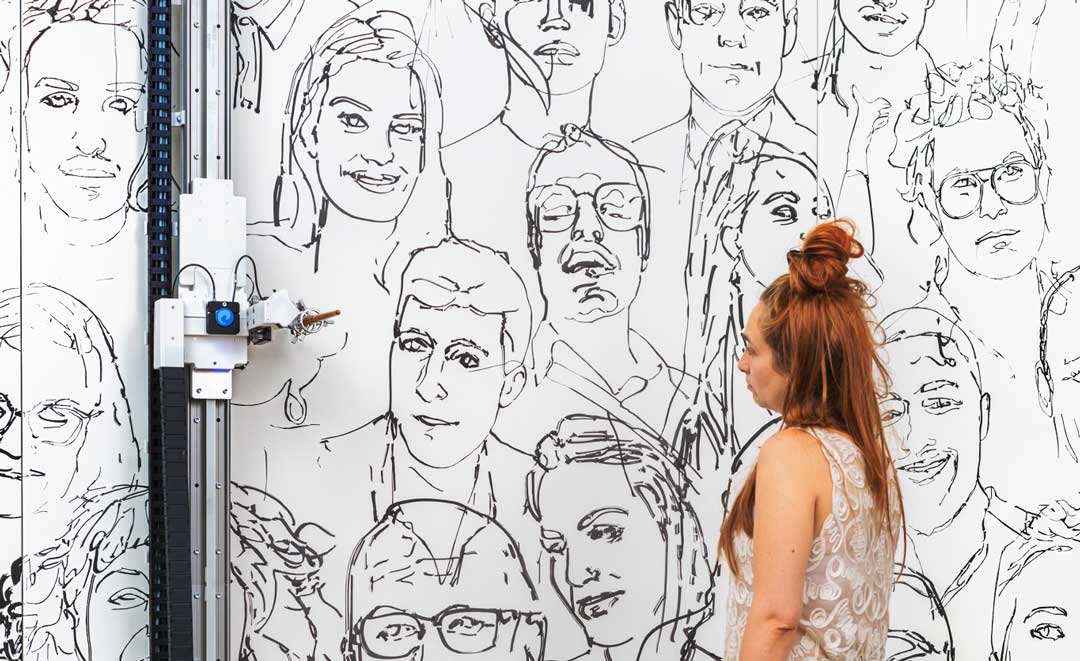
These two projects demonstrate different ways of exploring AI’s creative potential, from research into machine learning to its application in a physical installation. Both show how this technology can expand the artistic languages and possibilities available to creators.
What Can We Expect from Technarte 2027?
The relationship between art and technology continues to open up new avenues for experimentation. Artificial intelligence is one of them, and combining it with other disciplines makes it possible to explore new forms of expression.
We will soon announce the Technarte 2027 programme and open ticket sales. Follow us on Instagram, X and LinkedIn to stay up to date with the latest news and discover what the next edition has in store.