Definition of generative art
Generative art is a form of artistic creation in which a system of rules, algorithms or parameters is designed to determine how a work develops. In other words, certain conditions are established that allow the system to generate different compositions each time it runs.
This way of creating is not new, but technological advances have considerably expanded its possibilities. Programming, artificial intelligence and access to real-time data make it possible to create increasingly dynamic works, from images and videos to audiovisual installations.
Types of generative art
There is no single classification of generative art, as the same work can combine different techniques and processes. However, we can identify some of the main ways in which it is used to create a work:
- Algorithmic generative art: uses algorithms and rules previously defined by the artist. Combining different parameters can generate different results from the same system.
- Data-driven generative art: incorporates data as part of the creative process. This data can come from sensors, scientific information, environmental data or digital sources, and can modify the outcome of the work according to its values.
- Interactive generative art: allows the audience’s actions to influence the creative process. Presence, movement, sound or other forms of interaction can become variables that alter the work.
- Audiovisual generative art: applies generative processes to visual elements, sound or both simultaneously. It can result in animations, music, audiovisual installations or immersive experiences that evolve in real time.
- Generative art with artificial intelligence: uses AI models capable of generating content based on instructions, data or processes defined by the artist. Although it can share principles with other forms of generative art, generative art and generative AI are not synonymous.
Examples of generative art at Technarte
Several speakers at Technarte have explored generative art through their works and projects. Among them, two artists stand out in particular, representing different approaches to this discipline.
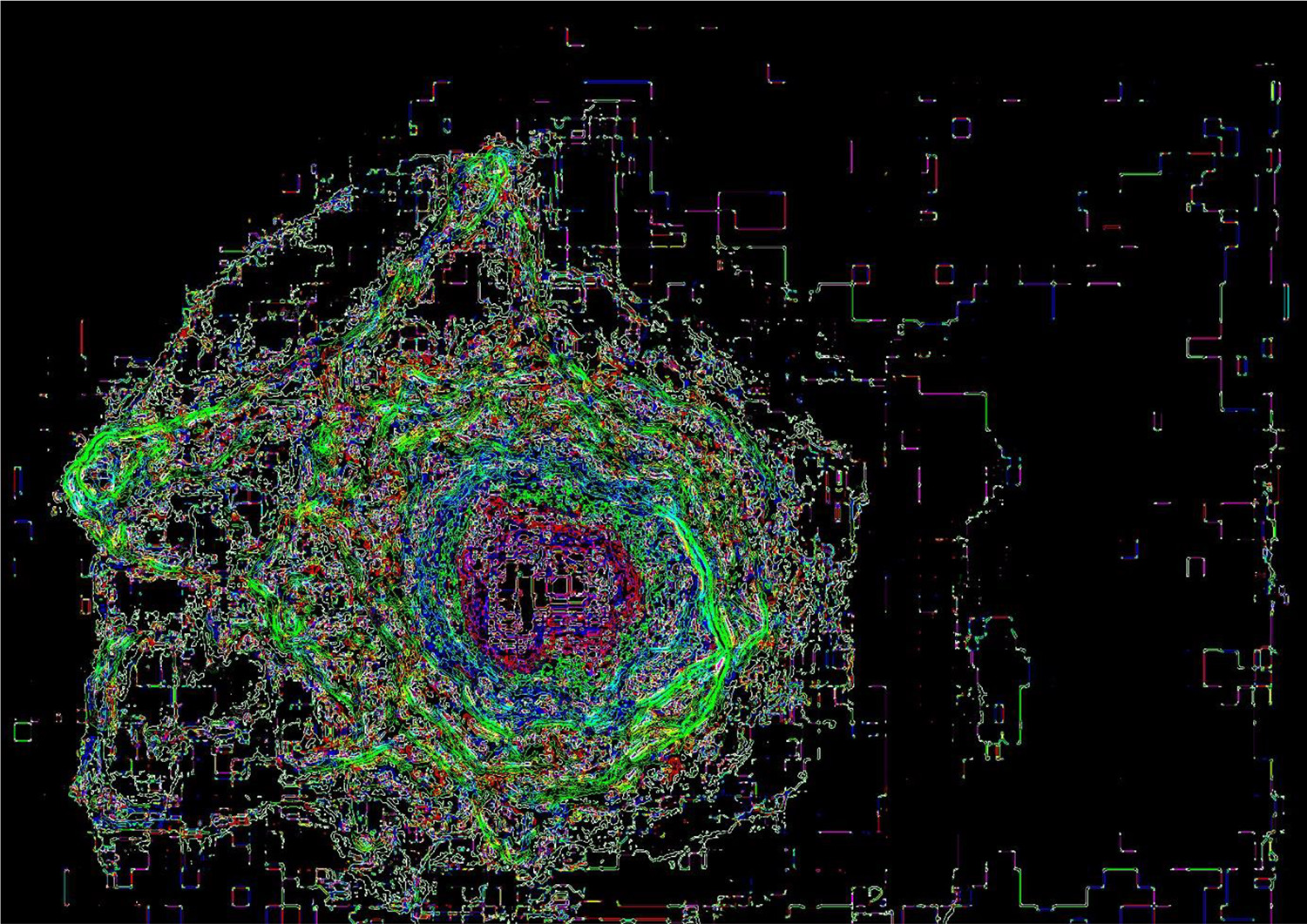
Diaa Ahmedien participated in Technarte 2019 with Bio-Pixels, an interactive generative video based on stem cells. Her project connects biological information with digital systems and interactive processes, exploring the exchange of information between the biological, digital and physical worlds.
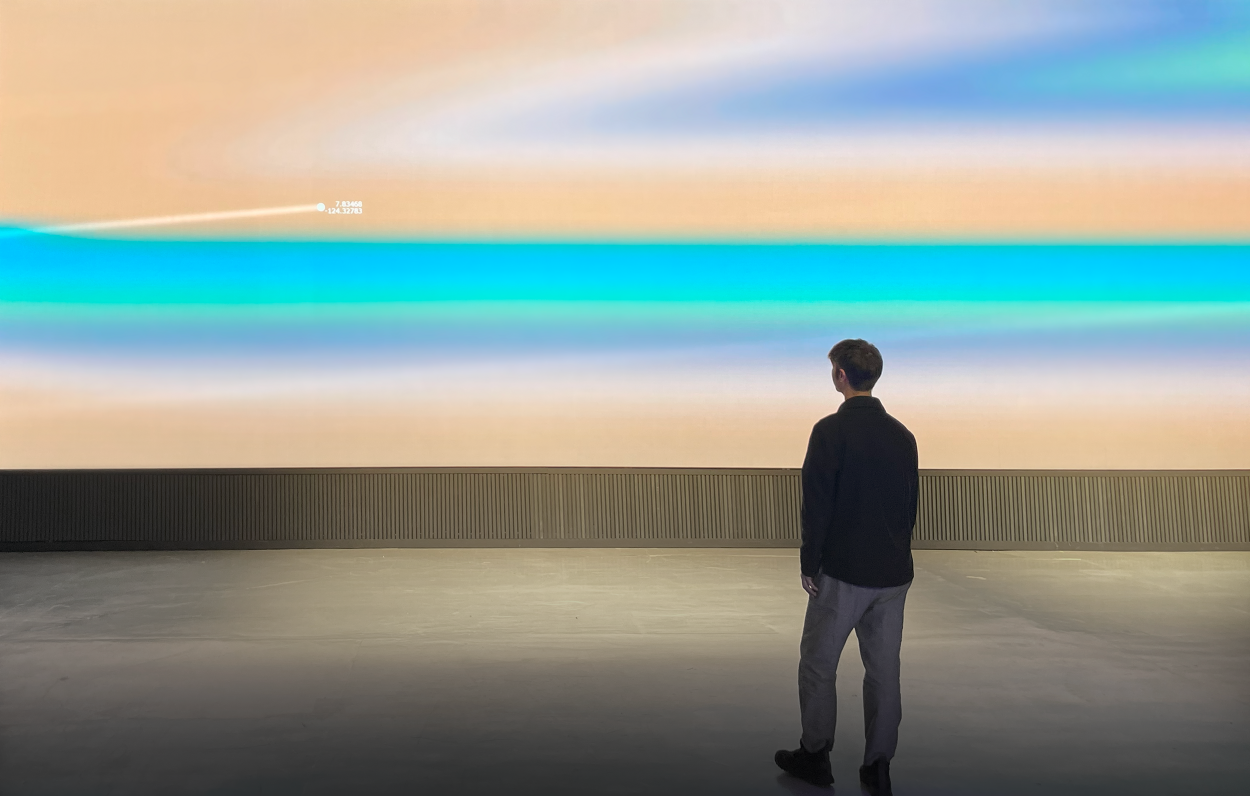
More recently, Riccardo Torresi presented From Signal to Sensation: Designing Data-Driven Immersive Art at Technarte 2026. His proposal takes real-time data as artistic material and integrates it into generative and immersive systems. In this context, the artist establishes the rules and behaviours of the system, which can evolve autonomously in response to live inputs. The result is a constantly changing work, in which each moment can be different and unrepeatable.
Call for Papers open for Technarte 2027
If you are developing a project involving generative art, artificial intelligence, Data Art, interaction, robotics or any other discipline in which technology plays a role in the artistic creation process, the Call for Papers for Technarte 2027 is open until 15 October 2026.
The 21st edition of Technarte will take place on 21 May 2027 at the Euskalduna Conference Centre in Bilbao. Proposals must be submitted in English and, at this first stage, include the title, abstract and project information. More information here.