Data as an Artistic Medium
What do weather patterns, signals from space, and information about the human body have in common? They can all become raw material for creating a work of art. Beyond their scientific or analytical value, data offer artists new ways to observe and interpret the world, discover patterns, and explore phenomena that we cannot always perceive with the naked eye.
Through algorithms and interactive technologies, this information can be transformed into images, sound compositions, immersive installations, or visual systems that evolve in real time. The result goes beyond representing numbers: data become a creative tool for experimenting with new forms of expression and creating artistic experiences that evoke emotions.
How Technarte Artists Turn Data Into Art
Over the years, Technarte has featured artists who use data as a raw material to explore new forms of expression. Let’s take a look at some examples.
In 2026, Riccardo Torresi presented From Signal to Sensation: Designing Data-Driven Immersive Art, a project that uses real-time data to create immersive audiovisual experiences. His work explores phenomena such as atmospheric dynamics and satellite networks through generative systems that respond to incoming data. Rather than creating a fixed composition, he establishes rules that allow shapes, sounds, and space to evolve continuously. As a result, every moment of the artwork is different, and information becomes an active element in the creative process.
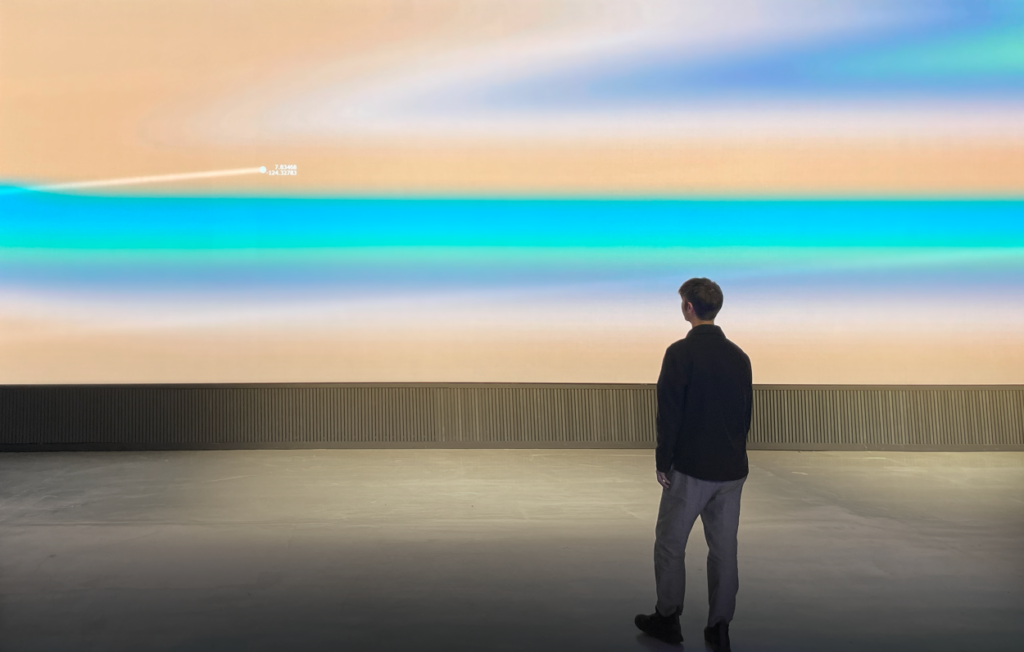
Another approach comes from Martina Moon Zelenika, who presented ChORUS2 at Technarte 2026. In this project, she transforms real-time geomagnetic data collected by the ACE satellite into a composition of sounds and visual animations. The artwork translates fluctuations in Earth’s magnetic field and its interaction with the solar wind into an audiovisual experience that makes phenomena normally beyond our senses perceptible.
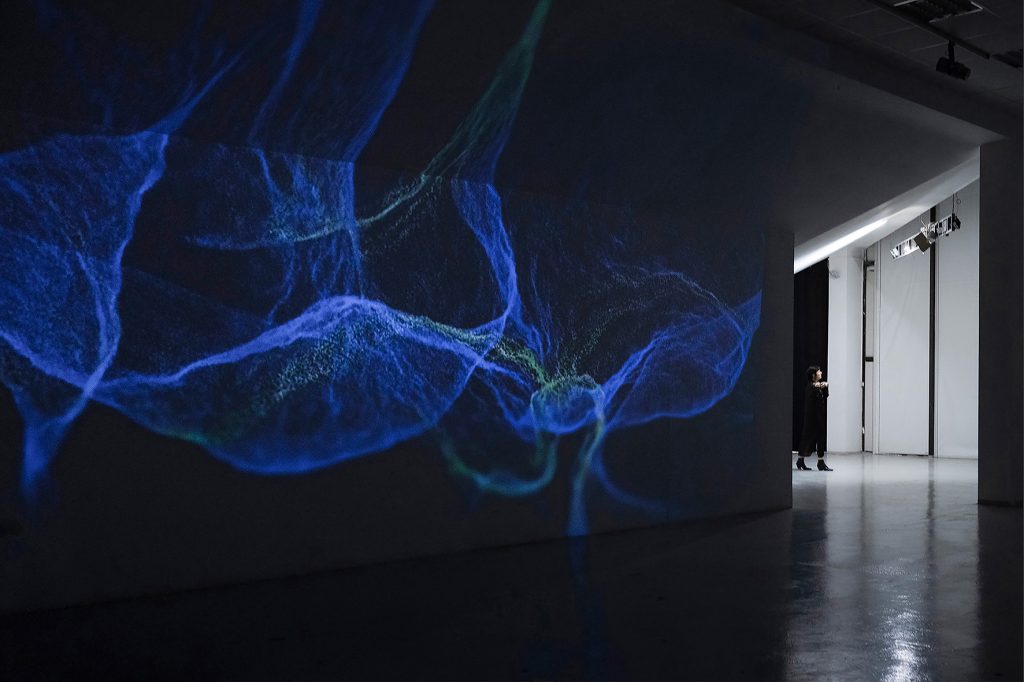
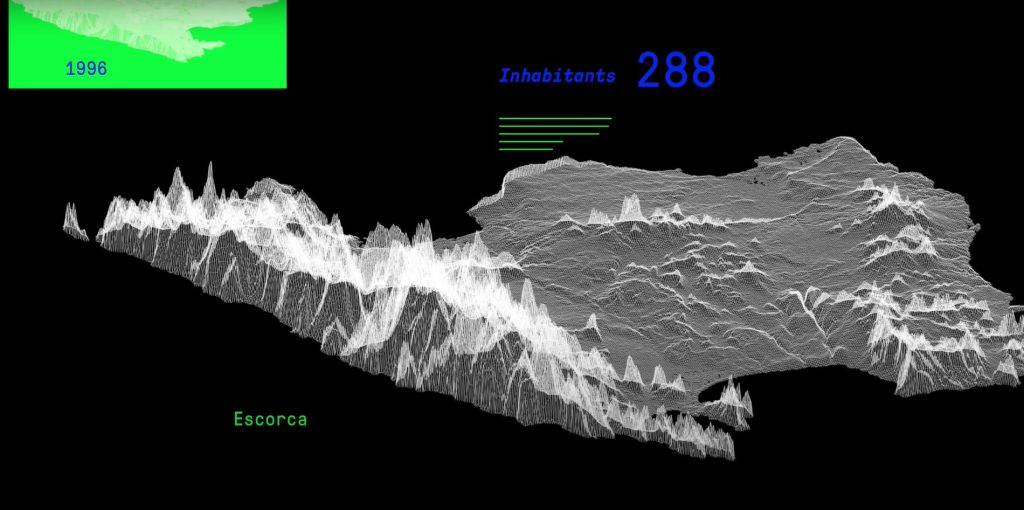
At Technarte 2025, Burak Korkmaz Schwichow explored data sonification in Resonant Realities: Sonification and the Art of Making Data Tangible in the Anthropocene. His work investigates how complex datasets related to climate change, biodiversity loss, and environmental crises can be transformed into sound and visual experiences. In this way, scientific information takes on a sensory dimension that encourages us to reflect on our relationship with the planet.
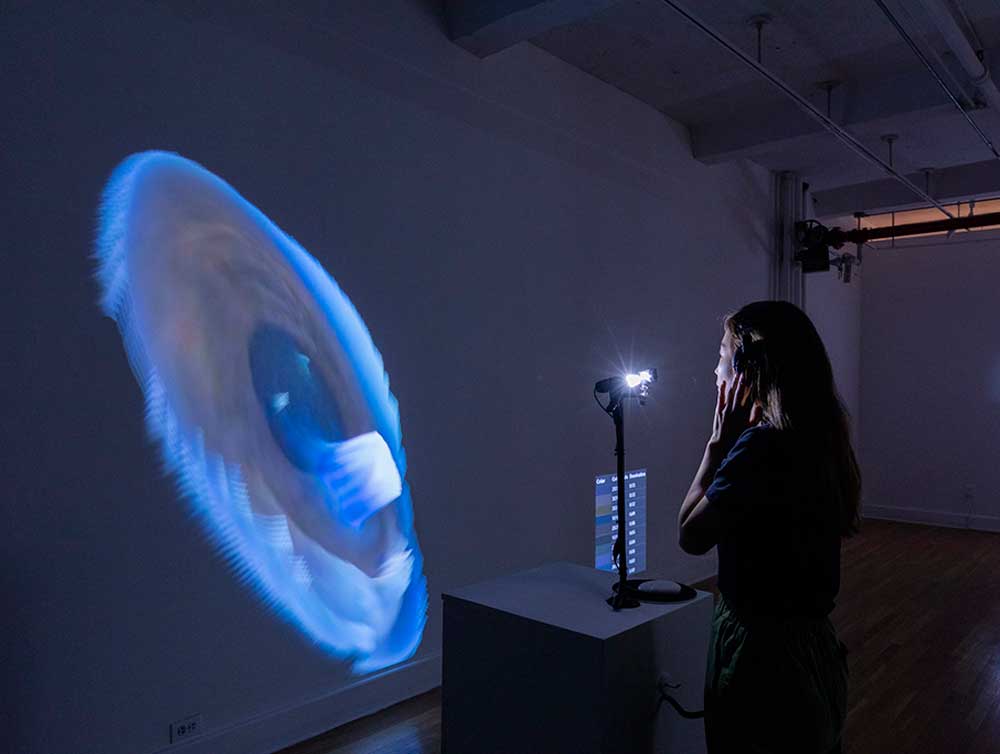
Another notable artist is Yoon Chung Han, a Technarte speaker in 2020 and 2022, who explores how biometric data can become interactive artistic experiences. In works such as Eyes, she uses patterns in the human iris to generate sounds and three-dimensional images. In Roads in You, she transforms participants’ vein patterns into visual representations inspired by road networks. In both cases, data from the human body become the starting point for a personalised creation that connects technology, identity, and perception.
These projects show that data can play very different roles in art: from generating compositions that change in real time to translating scientific phenomena or turning biometric information into personal experiences.
Technarte 2027: Program Coming Soon
The next edition of Technarte will take place on May 21, 2027, in Bilbao. If you’re interested in discovering how technology opens up new possibilities for artistic creation and offers new ways of understanding art, follow us on Instagram, X, and LinkedIn. We’ll be announcing the Technarte 2027 speaker programme and ticket sales soon. Stay tuned for the latest updates!