 Go back
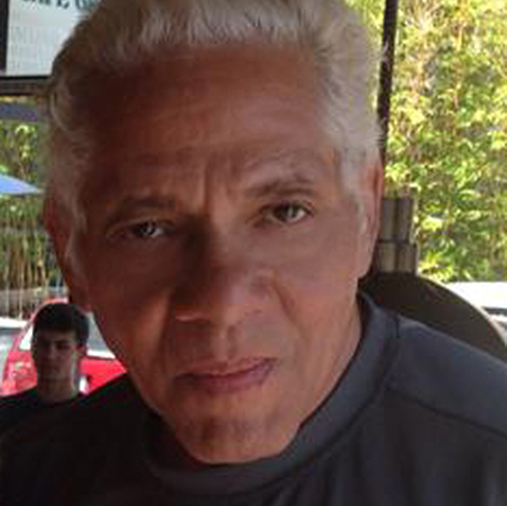
Paul-Felix Montez
ArtistPaul studied set design, package design, illustration and advertising at the High School of Art and Design before being accepted into the Cooper Union School of Art and Architecture, where he excelled in sculpture. He later worked as a shop instructor, teaching metalworking, welding, bronze casting, woodworking and ceramics, including miniature model building to fellow students such as photographer Joel-Peter Witkin. He also established special programmes for minority groups and led a department dedicated to minority issues in student enrolment.
While studying under conceptual artist Hans Haacke, Paul attended the school’s lecture series and collaborated with architect and inventor Buckminster Fuller on The Nature, Purpose, and Environmental Survivability of Modern Architecture. He also studied with poets and writers including Gregory Corso, Allen Ginsberg and Norman Mailer.
His work was exhibited in the Ten Downtown exhibition, the Fulton Street Pier sculpture exhibition and at 103 Reade Street Gallery in Tribeca. These exhibitions introduced him to artists such as Luis Jiménez, Mark di Suvero, John Chamberlain and conceptual artist John Van Saun, with whom he later co-created Bicycle Wall Crash for the Museum of Modern Art’s 1974 exhibition New Conceptual Art.
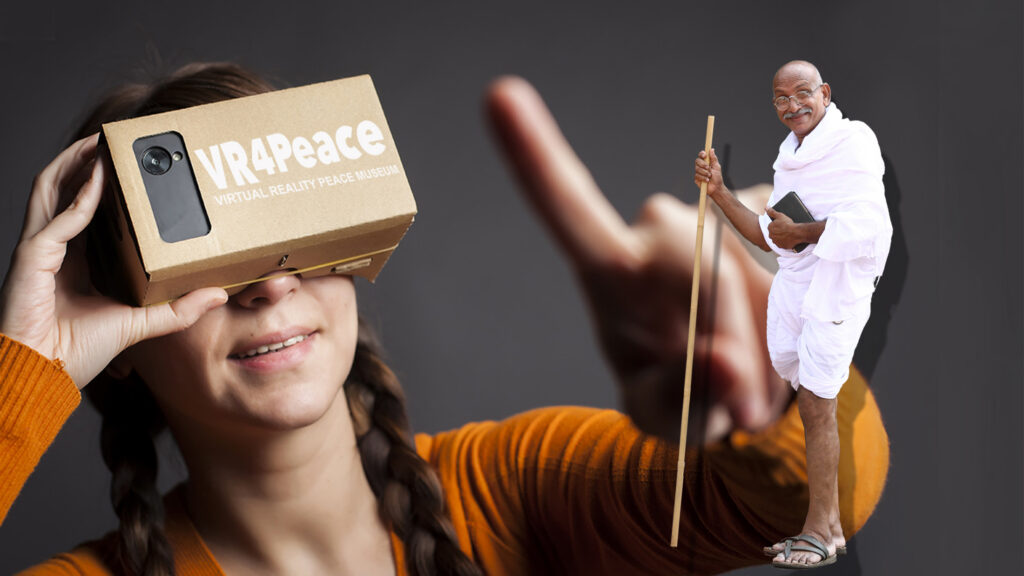
Paul has also worked as a special effects artist on feature films including Batman, The Indian in the Cupboard and Showgirls. In 2016, he received an all-expenses-paid trip from Google to present his Peacewalkway project at the United Nations’ World Peace Day events in New York City. His work on the Peace Walkway and VR Peace Museum projects has also received international peace awards.
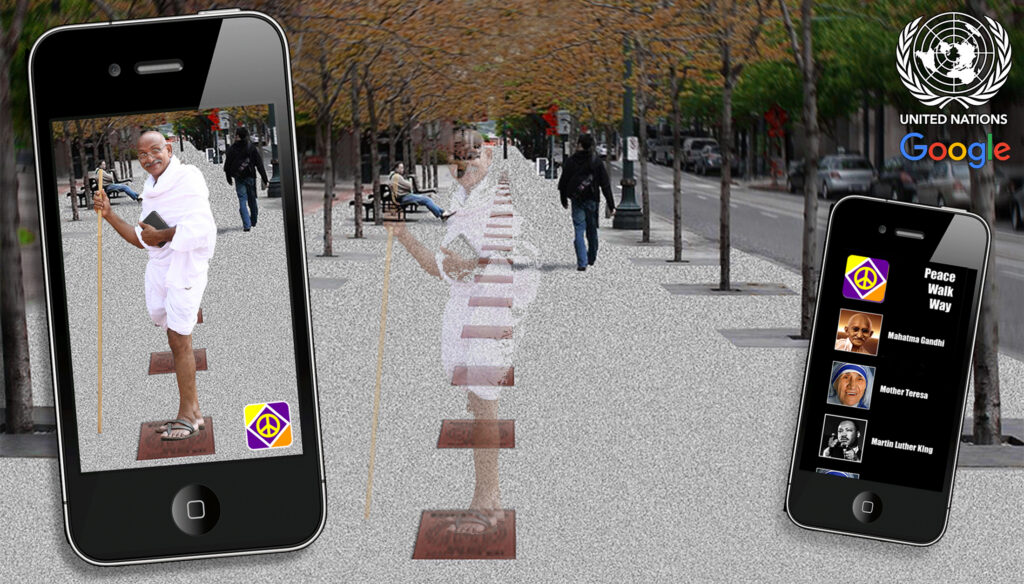
The Peace Walkway is quite simple, it would be in 100 locations installed in 100 cities, addressing empty parks and streets. It is basically a one mile long park, street art installation of 250 bronze plaques, each of a different peacemaker. Each walkway is basically a Hollywood walk of fame but for peacemakers. In this context it is already globally recognized as a platemaking option and having the ability of a definitive platemaking icon such as the Hollywood walk of fame, to develop a strong definitive local presence and interaction alone without technology being fully integrated. It would a social platemaking architectural space, a people’s park environment.
Where the Peace Walkway moves beyond the reflective “walkability” of a animal long installation of peacemaker plaques, is through the use of its global APP. Point any smart phone at any plaque and the “Pokemon go” GPS identifier instantly displays on the phone screen and image of that peacemaker. Click on that image and a complete timeline history can be scrolled of that peacemaker’s life. The timeline choice allows for smaller “sound bite” exploration of another life span.