 Go back
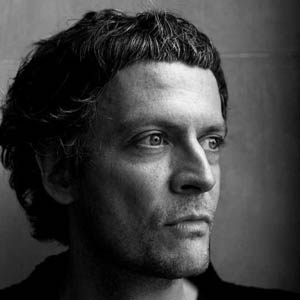
Christian Ziegler
Associate ProfessorChris Ziegler is a director, digital artist and architect of interdisciplinary projects in dance, performing arts and new media. He is an Assistant Professor of Interactive Media at Arizona State University, where he researches the “Digital Stage”, and has collaborated with institutions such as ZKM Karlsruhe, EPFL and the Amsterdam School for the Arts.
Since beginning his career at ZKM in 1994, he has developed interactive multimedia performances, digital film and video installations, and scenographic works presented internationally. He has collaborated with choreographers and opera directors on productions at major European opera houses and has led workshops and academic programmes across Europe, Asia and Japan. His work has received several awards, including the Young Art and New Media Award in Munich and the Performing Arts Award from the Endowment of the Arts Baden-Württemberg.

In this project, Chris Ziegler explores the history of theatre stages as a form of imaginative architecture, from Erwin Piscator’s cinematic stages and information spaces in Germany to Vsevolod Meyerhold’s biomechanics and contemporary experiments with haptics and tangible electronic spaces.
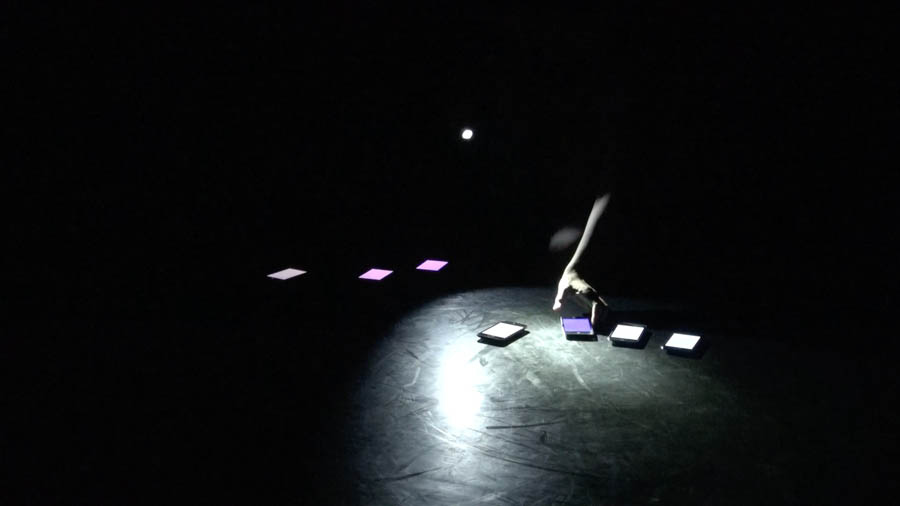
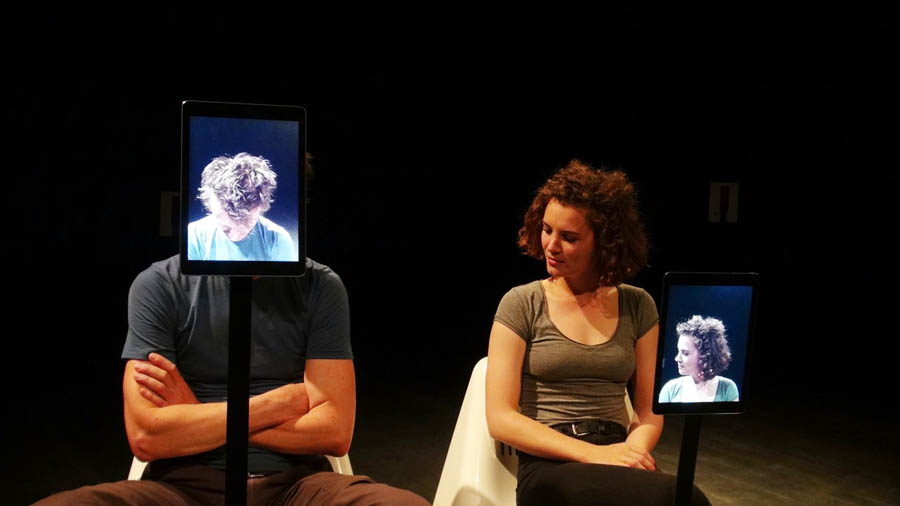
He presents his CORPUS system, an interactive scenography combining wearable technologies to create a biomechanical architecture on stage. Developed for the productions Swarm Lake (2013) and CORPUS (2011/2017), these wearable devices function as “digital bricks” that blur the boundaries between costume and scenography. He also discusses his Forest Cycle (since 2005), which merges images and bodies within an interactive walk-in screen, and Stage Your City, an Augmented Reality stage concept developed for the European Theatre Lab, using the CORPUS architecture as an AR system.