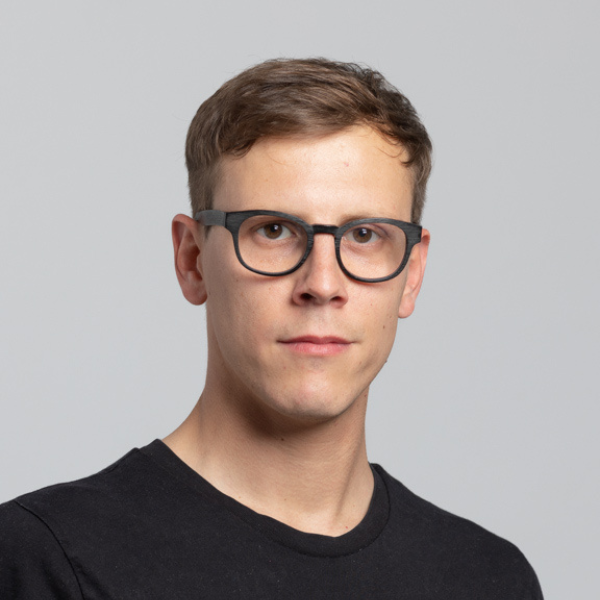
Riccardo Torresi is a new media artist from Italy based in Berlin. He holds an M.A. in Architecture and New Media Design, and his practice investigates the interconnections between science, art, and urban space through the use of new technologies and light as both tool and conceptual medium. His work has been exhibited and presented at international festivals and public institutions, including Haus der Kulturen der Welt (Berlin), Athens Digital Art Festival, and the RIXC Ungreen Conference (Riga), among others.
In his early career, he directed several music videos and short films. In 2016, together with artists Asako Fujimoto and Maxime Lethelier, he co-founded the artist collective Ephemeral Tomorrow, which focuses on immersive art projects driven by real-time data. Since 2021, he has been an external lecturer in the Master’s program in New Media Design at the University of Europe, teaching the course New Media Tools and Technologies. He currently works as a Creative Developer at FIELD.IO.
From Signal to Sensation: Designing Data-Driven Immersive Art
Riccardo Torresi’s presentation will focus on the artistic exploration of data as a living and performative material through generative, real-time, and immersive art systems meaningfully situated at the intersection of art, science, and technology.
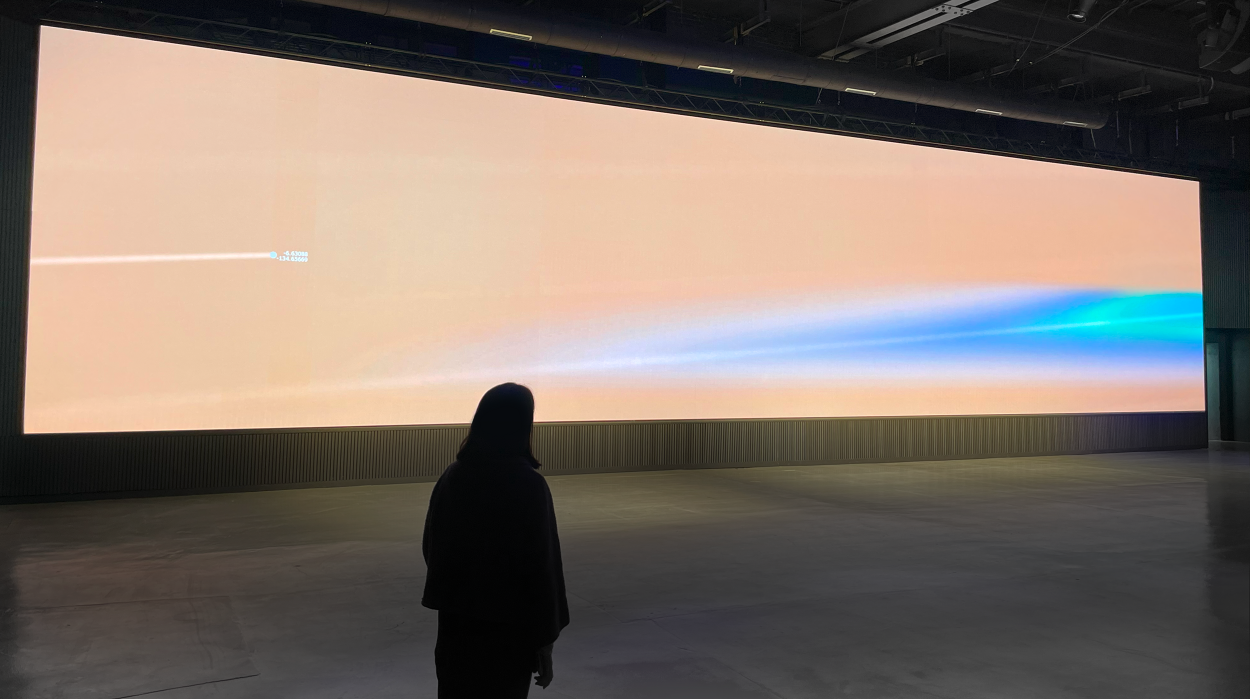
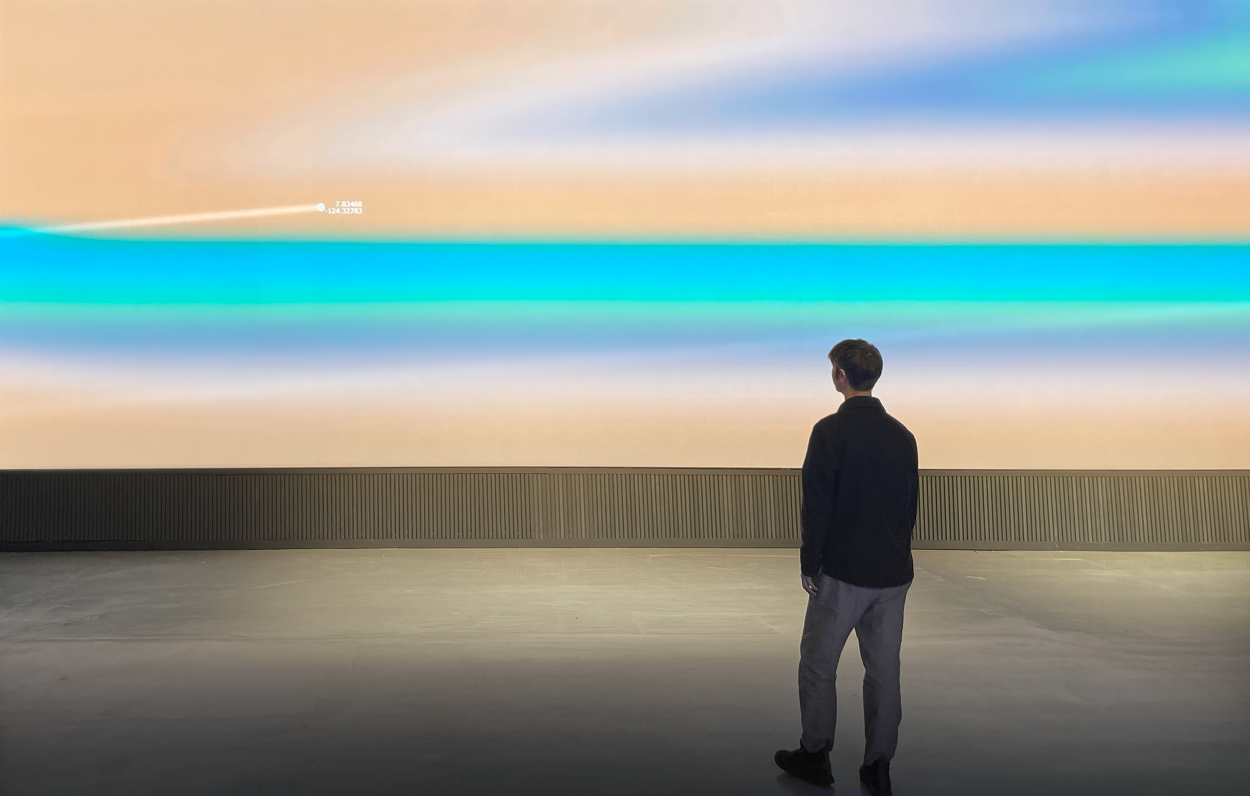
Ephemeral Tomorrow’s practice emerges from a fascination with invisible infrastructures and planetary-scale phenomena: atmospheric dynamics, satellite networks, orbital systems, and environmental processes that shape contemporary life yet remain largely imperceptible. By working with real-time data streams, the artworks reject static representation in favor of continuous becoming, where form, sound, and spatial composition are never fixed.
Generative art, in this context, is understood as system design rather than image production. The artist defines rules, constraints, and behaviors, allowing the system to evolve autonomously in response to live inputs. Real-time data introduces uncertainty and instability, shifting authorship from the artist toward a shared agency between code, data, and environment. Each moment of the artwork is unique and irreproducible.