Aleksandra Przybysz is an artist and researcher and a graduate of the Faculty of Sculpture at the Academy of Fine Arts in Warsaw. She also studied at the Sound and Image Department of Escola das Artes in Porto, and she is currently a second-year PhD candidate in artistic practice at the University of the National Education Commission in Kraków. She works with Timothy Morton’s concept of hyperobjects—vast ecological phenomena such as climate change, radiation, and toxic waste that are difficult to grasp yet profoundly shape our lives.
She approaches these issues interdisciplinarily, drawing on posthumanist horror as well as sculpture, text, and sound practices. She is particularly interested in concepts of natural history that include toxic events and those caused by invasive human activity. In her work, art does not serve merely an illustrative function; instead, it becomes a method of inquiry capable of generating alternative models for describing contemporary natural history.
Large-Scale Objects Sound Registration
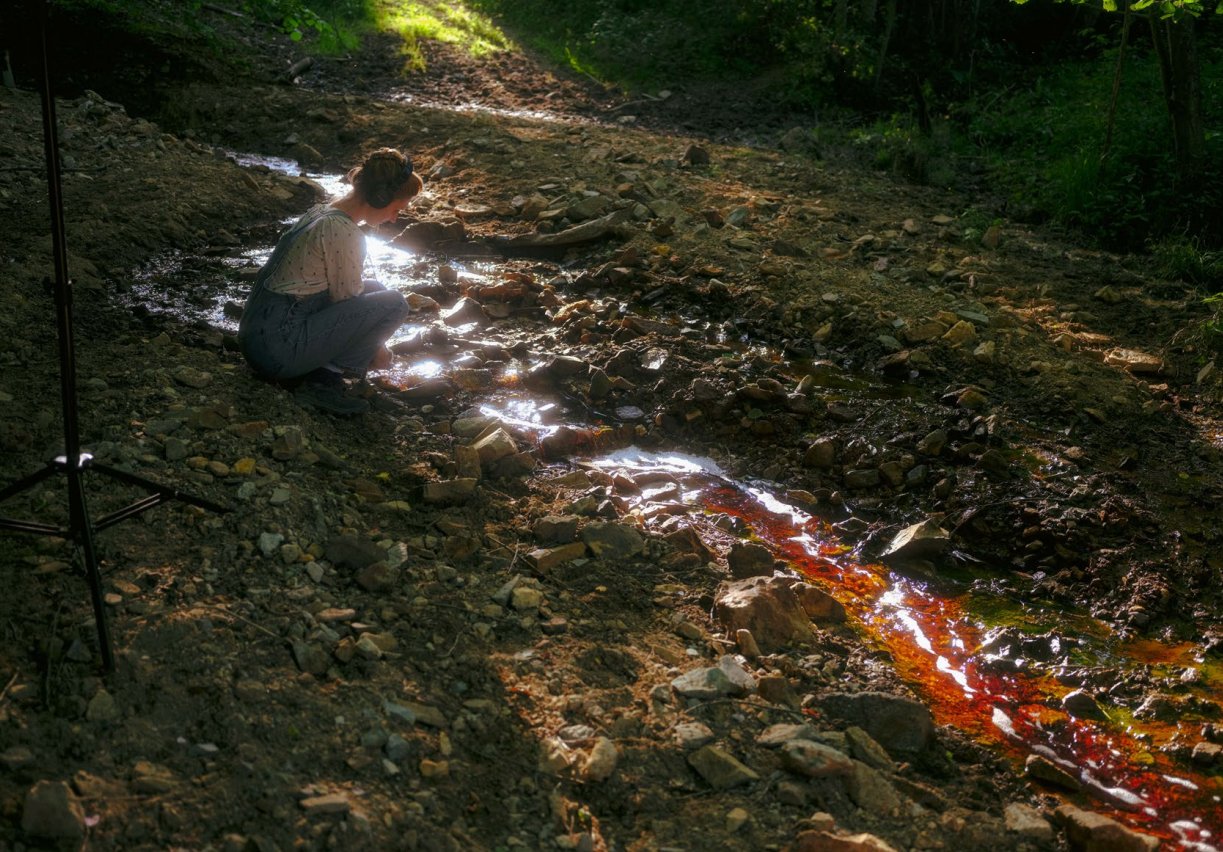
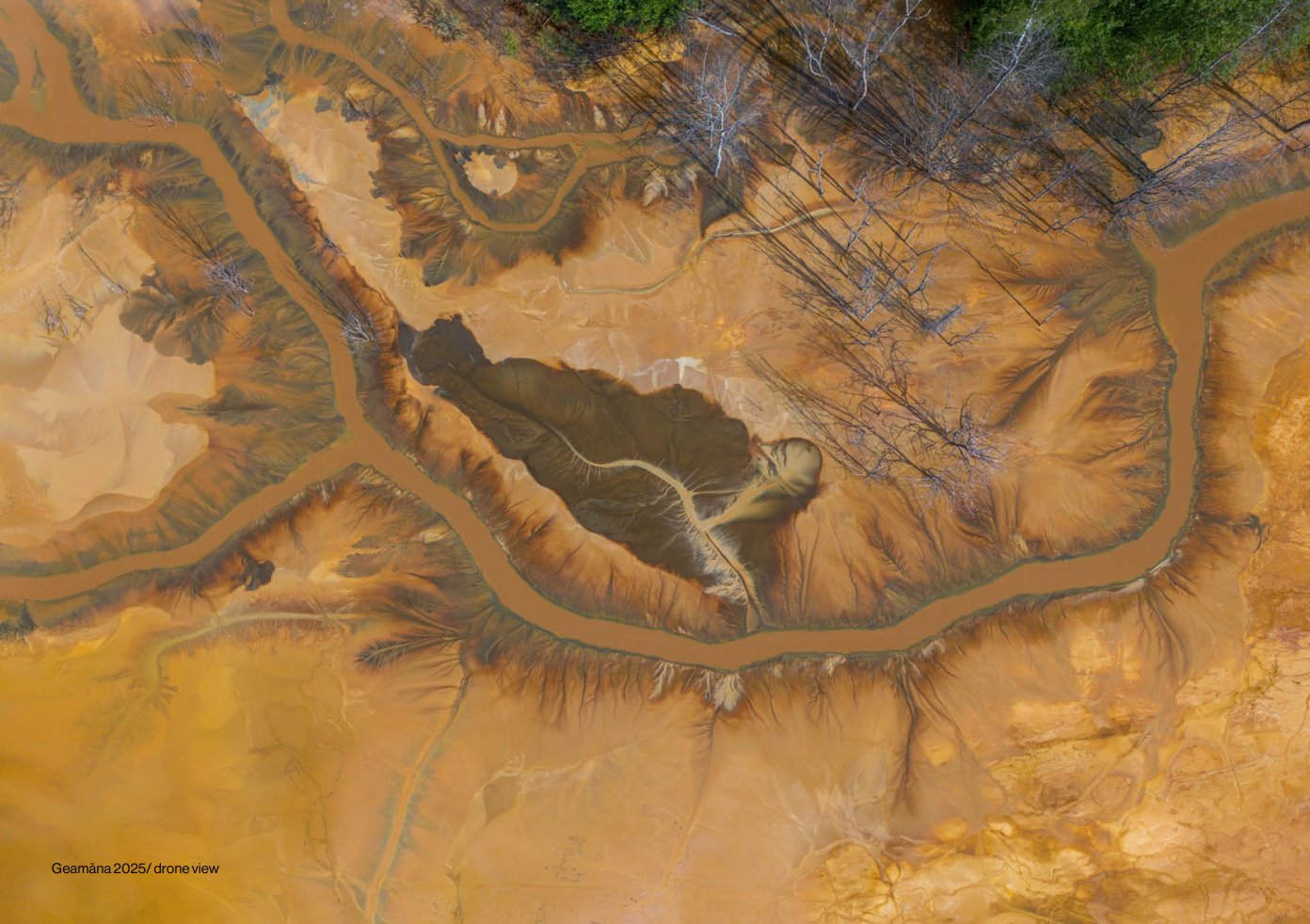
The project proposes the use of sonification of collected environmental data (such as concentrations of heavy metals in soil and water) together with recordings of acoustic phenomena in areas explicitly marked by the presence of hyperobjects, in order to develop an experimental research-based artistic tool. Hyperobjects are phenomena of monstrous scale that cannot be perceived in their entirety; they are too dispersed across time and space. Their effects manifest locally, yet their impact extends across decades and continents.
Sound, as a spatial, temporal, and affective medium, makes it possible to approach phenomena that exceed the limits of visual perception and rational representation. Sonification functions here as an alternative language of catastrophe. In this framework, sound art does not merely document crisis but becomes an operative tool—it enables us to hear what remains unseen and thus fosters new forms of sensitivity to the long-term consequences of environmental degradation. The project creates an alternative epistemology of contaminated landscapes that too often remain “mute” within social consciousness.